What to know about upholstery cleaning near Lewisham Market
If you live, work, or shop around Lewisham Market, upholstery cleaning probably only gets attention when a sofa starts looking tired, a dining chair picks up a mystery mark, or the arm of a favourite armchair begins to smell a bit less fresh than it should. Truth be told, that is usually the moment people realise how much fabric furniture takes on day to day. Dust, crumbs, pet hair, drink spills, street grit, body oils, and general living all build up quietly.
This guide explains what to know about upholstery cleaning near Lewisham Market in plain English. You will learn how the process works, what methods suit different fabrics, what to ask before booking, and which mistakes can shorten the life of your furniture. If you are comparing services, trying to decide whether a clean is worth it, or just want your home to feel fresher without guesswork, this will give you a proper starting point.
And yes, the local angle matters. Busy households, flats above shops, shared homes, and constant foot traffic around the market can mean more wear than you might expect. A good clean is not only about appearances. It is about comfort, fabric care, hygiene, and making sensible choices for the furniture you already own.
Quick takeaway: The best upholstery cleaning is the one matched to the fabric, the stain type, and the real condition of the furniture. That sounds obvious, but plenty of damage starts when someone uses the wrong method on a nice sofa and hopes for the best.
Table of Contents
- Why upholstery cleaning near Lewisham Market matters
- How upholstery cleaning works
- Key benefits and practical advantages
- Who this is for and when it makes sense
- Step-by-step guidance
- Expert tips for better results
- Common mistakes to avoid
- Tools, resources and recommendations
- Law, compliance, standards, or best practice
- Options, methods, or comparison table
- Case study or real-world example
- Practical checklist
- Conclusion
- Frequently Asked Questions
Why upholstery cleaning near Lewisham Market matters
Upholstery is one of those parts of a home that gets used constantly but rarely gets the same care as floors or worktops. Around Lewisham Market, where homes can be busy and outdoor dust gets carried in easily, fabric furniture tends to show everyday life faster. A sofa may look fine from a distance yet still hold crumbs, fine grit, and odours deep in the fibres.
That matters for three simple reasons. First, appearance: stained or dull upholstery changes the feel of a room immediately. Second, hygiene: soft furnishings can trap allergens, dust, and general grime. Third, longevity: dirt particles act a bit like sandpaper over time, especially on frequently used seats and armrests. Not dramatic, but enough to matter if you want furniture to last.
There is also the practical side. If you have children, pets, or a rental property near Lewisham Market, your furniture probably sees more accidental spills than you would like. In that situation, regular upholstery cleaning is less of a luxury and more of a sensible maintenance task. Nobody wants to sit down and smell old coffee every time the heating comes on.
Local conditions also play a part. Busy roads, open windows in warmer months, and frequent comings and goings can mean more dust settles indoors. You may not notice it day by day, but over a season the difference can be obvious. A clean sofa feels brighter, smells better, and frankly makes the whole room easier to live in.
How upholstery cleaning works
Most upholstery cleaning near Lewisham Market starts with an inspection. That is the sensible bit, and it should never be skipped. A proper cleaner will identify the fabric type, check the manufacturer's care label if available, look for hidden staining, and test a small area before deciding on the method. Different fabrics react very differently to water, heat, and cleaning agents.
The main approaches are usually one of these:
- Hot water extraction: often used on compatible fabrics to flush out soil and residues with controlled moisture.
- Low-moisture or dry methods: useful for delicate materials or when drying time needs to be kept short.
- Pre-treatment and spot treatment: applied to stains before the main clean to help break down problem areas.
- Agitation and detailing: used to loosen embedded dirt in seams, piping, and heavily handled areas.
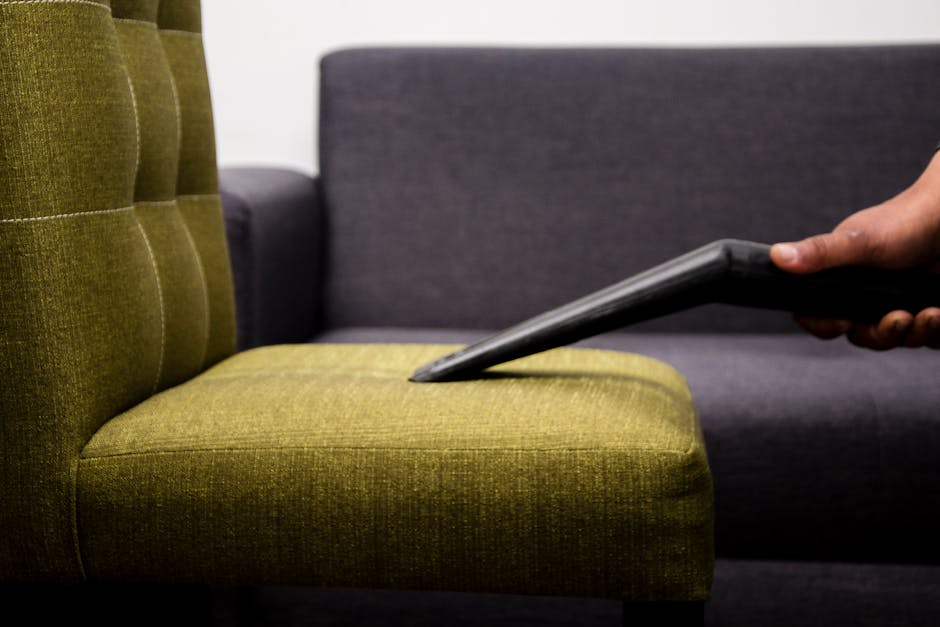
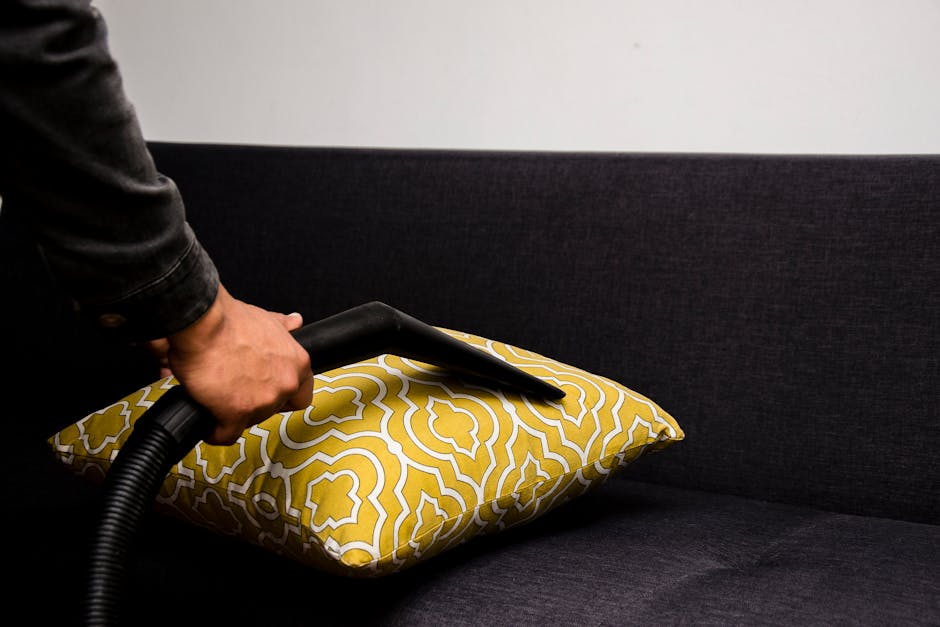
The process usually includes vacuuming first, because loose debris should be removed before any liquid cleaning starts. Then the cleaner applies a suitable solution, works it into the fabric carefully, extracts or lifts the dirt away, and checks the result. Drying follows. Sometimes that is quick; sometimes it is not. In a small London flat with limited airflow, it can take longer than people expect, especially in winter.
What you should not expect is a miracle without context. A good technician can improve a sofa dramatically, but some damage is permanent. Old stains, sun-fading, worn pile, dye transfer, and long-term contamination may not fully reverse. A trustworthy cleaner will say that early rather than promising the moon and leaving you disappointed.
Key benefits and practical advantages
There is a very straightforward reason people book upholstery cleaning: it makes furniture look and feel better. But the benefits go beyond that immediate visual lift.
- Cleaner-looking furniture: sofas, chairs, and cushions regain colour clarity and look less flat.
- Improved freshness: odours from food, pets, smoke, and everyday use are reduced.
- Better comfort: seats often feel cleaner and less sticky or rough after a proper clean.
- Fabric care: removing dirt can help reduce wear from grit and rubbing.
- Improved presentation: useful if you are hosting guests, listing a property, or simply want the room to feel calmer.
- More sensible upkeep: regular cleaning can delay replacement, which is rarely cheap, let's face it.
There is also a confidence benefit. Once the sofa has been professionally cleaned, people tend to relax a bit more about using it normally. No more hovering with a cup of tea like it is a hazardous material. That alone can make a room feel more like home.
For landlords, letting agents, and tenants, there is a practical advantage too. Upholstery that is visibly cared for often supports a better impression at handover, even when the main requirement is simply for the property to be clean and presentable. It is one of those small details that quietly changes perception.
Who this is for and when it makes sense
Upholstery cleaning near Lewisham Market makes sense for a wide range of people, but the reasons vary.
Homeowners often book after a spill, a pet accident, or the realisation that their sofa has not had proper attention in years. Renters may want to refresh furniture before moving out or simply make a flat feel less worn. Landlords and letting agents often need the furniture cleaned between occupants, especially if the place has soft furnishings that cannot just be wiped down.
Families with children tend to value stain removal and hygiene. Pet owners often want odour reduction and hair removal in one go. Office managers and small businesses around Lewisham may need upholstery cleaning for reception seating, waiting areas, or break spaces where visitors notice cleanliness immediately.
It also makes sense in a few specific situations:
- After a spillage that has soaked into the padding
- When a sofa starts to smell stale even after airing the room
- Before hosting guests or family events
- At the end of a tenancy or before a move
- After a long period of heavy use, such as winter months indoors
- When fabric looks dull but is otherwise still in good condition
Sometimes the furniture itself is not the problem. It is the feel of the room. A clean armchair by the window, next to the market buzz outside, can change the whole mood of a space. Small thing, big difference.
Step-by-step guidance
If you are booking or preparing for upholstery cleaning, a simple process helps you avoid stress and poor results. Here is the practical version.
1. Check the fabric and care label
Look for a manufacturer's label if you can. It may say whether the fabric can be cleaned with water, solvent, or only by specialist methods. If the label is missing, do not guess wildly. Ask for an assessment. A velvet chair, for example, needs a different approach from a synthetic corner sofa. Same room, very different rules.
2. Identify the main problem
Is it dust, pet hair, food stains, drink marks, odour, or general dullness? The right method depends on the problem. A greasy mark near an armrest needs different treatment from a water ring or an old ink stain. This is where a careful inspection pays off.
3. Clear the area
Move small items, cushions, throws, and fragile objects away from the cleaning space. If the upholstery is tight against a wall, a little access makes life easier. It sounds basic, but a tidy room helps the cleaner work more effectively and reduces the risk of knocks or splashes.
4. Ask how pre-treatment will be handled
Pre-treatment is often the difference between a decent result and a frustrating one. Stains should be treated according to their type, not attacked with a one-size-fits-all spray. That is how colour loss and fabric distortion happen. A good cleaner should explain the plan, not just start spraying and hope for the best.
5. Confirm drying expectations
Drying time depends on the method, fabric, ventilation, and weather. In a well-aired space it may be quicker than expected; in a cold flat with the windows shut, it may take longer. Ask what to expect so you can plan around it. Nobody wants to discover at 10 pm that the armchair is still damp.
6. Inspect the result before everything is put back
Once cleaning is finished, check the fabric in daylight if possible. Look at seams, arms, headrests, and high-contact areas. If a stain has lightened but not vanished, that may still be a good outcome depending on its age and type. A sensible check at the end avoids awkward surprises later.
Expert tips for better results
Here is where a little care makes a big difference.
Vacuum regularly between professional cleans. Loose grit is one of the main enemies of upholstery. A soft brush attachment is often enough for routine upkeep.
Blot, do not rub. If a spill happens, dab it gently with a clean cloth. Rubbing pushes liquid deeper and can spread the mark. It is a small thing, but it matters.
Use tested products only. If you plan to do any spot cleaning yourself, try a discreet patch first. An invisible area is still visible enough when a colour patch appears later. Annoying, and very avoidable.
Improve airflow. Open windows where sensible and safe, and if you have one, use a fan to help drying. Better airflow means less lingering dampness and fewer odour problems.
Keep an eye on sun exposure. Furniture near bright windows can fade unevenly over time. Cleaning will not fix fading, but it can help the fabric look more even and cared for.
Ask about fabric protection only if it is suitable. Some fabrics benefit from protective treatment, but it is not a universal fix. Good advice here is better than a sales pitch.
Book before the mess becomes permanent. Old stains are harder to shift. If you have just noticed a problem, deal with it sooner rather than later. That is one of those boring bits of advice that happens to be true.
Common mistakes to avoid
Upholstery cleaning sounds simple until something goes wrong. Most avoidable problems fall into a few categories.
- Using the wrong method for the fabric. Water-safe materials and delicate textiles are not the same thing.
- Over-wetting the furniture. Too much moisture can create long drying times, odours, and even fabric distortion.
- Rubbing stains aggressively. That can spread the mark and damage the fibres.
- Ignoring the care label. A label is not decorative. It is useful information.
- Expecting all stains to disappear completely. Some older marks can improve but not vanish. Better to know that upfront.
- Cleaning without testing first. Test patches are boring, yes, but very sensible.
- Putting cushions back too soon. Trapped moisture can leave furniture smelling musty.
- Choosing on price alone. Cheaper is not always better if it means poor equipment or careless handling.
One of the most common errors is trying to make a sofa look dry before it actually is. If the surface feels okay but the filling is still damp, you may not notice until later when the room develops that faint, stale smell nobody wants. Better to let it dry properly, even if that means waiting a bit.
Tools, resources and recommendations
You do not need specialist knowledge to make a good choice, but a few practical resources help.
Good vacuuming tools: a vacuum with upholstery attachments or a soft brush head makes regular maintenance easier and helps keep dirt from embedding deeply.
Clean white cloths: useful for blotting spills and checking transfer during spot testing. White cloths show what is actually coming out. Handy, if a little unglamorous.
Soft bristle brushes: helpful for lifting loose dust from fabric before a clean, provided the fabric can handle gentle agitation.
Product labels and fabric care notes: if you still have the manufacturer's instructions, keep them. They are more useful than people think.
Service information pages: if you are comparing providers, it helps to review details on upholstery cleaning, sofa cleaning, and related deep cleaning options so you understand what each service is meant to do.
Transparent pricing details: before booking, check whether a company explains its approach to quotes and expectations on its pricing and quotes page. Clarity is usually a good sign.
Company background and standards: a straightforward about us page can help you understand who you are dealing with, while pages on insurance and safety and health and safety policy show how seriously the business treats risk and care.
If you want a broader sense of the company's wider services, pages like domestic cleaning and one-off cleaning can be useful context, especially if you are planning a larger refresh at home.
Law, compliance, standards, or best practice
Upholstery cleaning is not usually a heavily regulated service in the way some specialist trades are, but that does not mean standards do not matter. In practice, the important things are safety, honest communication, appropriate product use, and responsible handling of the customer's property.
Good practice normally includes:
- Using suitable products for the fabric type
- Testing before full application
- Explaining any limitations before work begins
- Handling water, extraction equipment, and drying safely indoors
- Protecting floors, nearby furnishings, and access routes
- Being clear about what is and is not likely to come out
If a provider is operating professionally, you would expect them to have sensible policies around customer information, payments, complaints, and safety. Those may not be the exciting bits, but they matter. It is also sensible for customers to check whether the business provides clear terms, secure payment processes, and straightforward ways to raise a concern if needed. The same basic principle applies across most home services: clear is better than vague.
If pets, children, or people with sensitivities are in the property, ask about drying times and any cleaning agents used. Even if a product is generally safe when used correctly, it is reasonable to want the room ventilated and the fabric fully dry before normal use resumes.
For households concerned about wider environmental impact, it can also be worth looking at a provider's recycling and sustainability approach. Not every clean has a dramatic environmental footprint, but good housekeeping is still good housekeeping.
Options, methods, or comparison table
If you are deciding how to clean upholstery, this comparison helps narrow things down. It is not about one method being universally best. It is about matching the method to the furniture and the problem.
| Method | Best for | Pros | Watch-outs |
|---|---|---|---|
| Hot water extraction | Many synthetic and sturdy fabrics | Deep cleaning, strong soil removal, good for general refresh | Can involve longer drying time; not suitable for every delicate fabric |
| Low-moisture cleaning | Busy homes, lighter soiling, quicker turnaround | Faster drying, less water use, practical for many settings | May not tackle heavy contamination as deeply as extraction |
| Dry or solvent-based methods | Delicate textiles and sensitive fabrics | Reduced water exposure, useful for certain materials | Needs careful handling and accurate fabric knowledge |
| Spot treatment only | Small isolated marks | Targeted and quick for minor issues | Does not replace a full clean when furniture is broadly dirty |
In the real world, a cleaner may combine methods. For example, a family sofa near Lewisham Market might need vacuuming, pre-treatment, extraction on the main body, and careful spot work on the arms. That mix is normal. In fact, a mixed approach is often a sign the person doing the job is paying attention rather than forcing one routine onto every piece of furniture.
Case study or real-world example
A fairly typical scenario: a household near Lewisham Market has a three-seat sofa that looks mostly fine until daylight hits it from the front window. Then the wear becomes obvious. The arms are darker, the seat cushions have patchy marks from daily use, and there is a faint food smell from takeaways eaten over a busy week. Nothing dramatic, just the usual accumulation of life.
The first step is an inspection. The fabric is checked, the seams are tested, and a small hidden area is used for a trial clean. The cleaner decides on a careful pre-treatment for the armrests and front edges, then uses a suitable low-moisture process because the room does not have brilliant ventilation and the customer wants the sofa usable again that evening.
After cleaning, the sofa looks brighter, the odour is reduced, and the darker traffic areas no longer dominate the look of the room. The cushion covers are not magically brand new, because that would be unrealistic. But the overall effect is noticeable enough that the room feels more welcoming again. That is usually the sweet spot: not perfection, just a proper improvement that makes daily life nicer.
There was also a small human lesson in the process. The customer had been about to spray a supermarket stain remover on the worst patch the night before, which might have caused more trouble than it solved. Instead, they held off, asked first, and the result was much better. Sometimes the best upholstery decision is simply not to rush.
Practical checklist
Use this before booking upholstery cleaning near Lewisham Market or before starting a clean at home.
- Check the furniture fabric or care label if available
- Identify the main issue: stain, odour, dirt, pet hair, or all of the above
- Take a few photos of problem areas for reference
- Ask what method will be used and why
- Confirm whether a test patch will be done
- Ask about drying time and room ventilation
- Move valuables, cushions, and small items away from the area
- Clarify whether stubborn stains may only improve rather than disappear
- Make sure pets and children are kept away during cleaning and drying
- Inspect the result before the furniture is fully put back
Mini reminder: if a cleaner cannot explain their method in simple terms, that is worth noticing. Good service does not need fancy language.
Conclusion
What to know about upholstery cleaning near Lewisham Market comes down to a few practical truths. Match the method to the fabric, do not overestimate what one clean can fix, and choose a cleaner who explains things clearly. If your furniture is looking tired, smells a little stale, or has just taken too much daily wear, professional upholstery cleaning can make a genuine difference without replacing the whole piece.
The best results usually come from sensible expectations and careful preparation. Ask questions, check the fabric, and pay attention to drying time. That is the unglamorous but effective route. And honestly, a well-cleaned sofa can change the feel of a room more than people expect.
Get a free quote today and see how much you can save.
If you are comparing services, it may also help to look at related pages such as carpet cleaning, rug cleaning, and cleaning company information so you can plan a fuller refresh if needed. Sometimes it all comes together nicely, one room at a time.
Frequently Asked Questions
How often should upholstery be professionally cleaned?
It depends on use, fabric type, pets, children, and whether the furniture sits in a busy area. For many homes, a periodic professional clean makes sense before dirt becomes deeply embedded. High-use sofas may need more frequent attention than occasional chairs.
Can all upholstery fabrics be steam cleaned?
No. Not all fabrics are suitable for steam or hot water extraction. Delicate materials, some natural fibres, and certain finishes may need low-moisture or specialist methods instead. Always check the care label or ask for an inspection first.
Will upholstery cleaning remove all stains?
Not always. Fresh stains often respond better than old ones, and some marks can permanently change the dye or fibre structure. A good cleaner should explain likely outcomes honestly rather than promising complete removal every time.
How long does upholstery take to dry?
Drying time varies depending on the fabric, method used, and room ventilation. Some pieces dry relatively quickly, while others need longer, especially in cooler or less airy homes. It is worth asking for a realistic estimate before the work begins.
Is upholstery cleaning safe for pets and children?
It can be, provided suitable products are used and the furniture is left to dry properly before use. If you have concerns, ask what cleaning agents are used and how long the room should stay off-limits.
Should I vacuum my sofa before a cleaner arrives?
Yes, if you can do so safely. Removing loose dust, crumbs, and pet hair helps the clean go more smoothly. That said, a professional service should still handle the detailed extraction and stain work.
What is the difference between sofa cleaning and upholstery cleaning?
Upholstery cleaning is the broader term. It includes sofas, armchairs, dining chairs, ottomans, and other fabric-covered furniture. Sofa cleaning is simply one part of that wider service.
How do I know which cleaning method is right for my furniture?
The right method depends on the fabric, the condition of the upholstery, and the type of soiling. A professional should inspect the piece first and explain why they are recommending a particular approach.
Is it worth cleaning old upholstery, or should I replace it?
If the frame is sound and the fabric is still in decent condition, cleaning can be a smart way to extend the life of the furniture. If the material is badly worn, torn, or faded beyond recovery, replacement may be the better call.
Can upholstery cleaning help with odours?
Yes, it often can. Cleaning removes trapped dirt, spills, and residues that cause smells. Strong odours from smoke, pets, or long-term contamination may need a more careful treatment plan, though, and results can vary.
What should I ask before booking upholstery cleaning near Lewisham Market?
Ask about fabric suitability, the cleaning method, drying time, stain limitations, and whether a test patch will be done. If you are comparing providers, clear answers on pricing, safety, and complaint handling are a good sign too.
Can upholstery cleaning improve the look of a rented property?
Yes, very often. Clean sofas and chairs can make a flat or house feel fresher and better cared for, which helps with presentation at the end of a tenancy or before new occupants move in. It is one of those details people notice quickly.